Growing up in Chelmsford, Massachusetts, I spent much of my childhood exploring the outdoors. I hiked through forests, camped by rivers, and skied in the winter months. Those experiences taught me to appreciate the natural world and understand the importance of protecting it. As I progressed in my career, from the Massachusetts Department of Conservation and Recreation to the Maine Division of Inland Fisheries and later Eversource Energy, I saw how technology is changing the way we manage and conserve our environment.
How Technology Supports Conservation
Technology has become an essential tool for protecting New England’s natural resources. From tracking wildlife populations to monitoring water quality, technological advancements allow conservationists to work more efficiently and make informed decisions. In my experience, integrating technology into conservation efforts helps us anticipate problems before they happen and respond more effectively.
“For me, technology is not just about gadgets or data,” I often say. “It is about using the right tools to understand the environment and make decisions that benefit both nature and the community.”
One example is the use of geographic information systems or GIS. With GIS, we can map sensitive habitats, track land use changes, and identify areas at risk of environmental degradation. This information is crucial for planning projects that minimize impact and preserve ecosystems.
Remote Monitoring and Wildlife Protection
Remote monitoring has revolutionized how we protect wildlife. Camera traps, sensors, and drones allow us to observe animals without disturbing them. These tools provide data on migration patterns, breeding habits, and population changes. This information helps resource managers make better decisions about land use, conservation strategies, and public access.
“In the past, we had to rely on manual surveys, which were time-consuming and limited in scope,” I explain. “Now, we can gather accurate information over larger areas and make more precise management plans.”
Remote technology also helps identify threats, such as invasive species or habitat loss, early enough to take action. By detecting these issues quickly, we can intervene and prevent long-term damage.
Innovation in Energy and Resource Management
Working in the energy sector, I have seen how technology bridges the gap between infrastructure and environmental stewardship. Modern energy projects increasingly incorporate environmental data to reduce impact on natural resources. For example, predictive maintenance systems and environmental monitoring tools help utilities operate safely without harming local ecosystems.
“Energy and conservation are often seen as opposing forces, but technology allows them to work together,” I say. “We can power communities while protecting the forests, rivers, and wildlife that make New England unique.”
Advanced sensors can detect changes in water flow or soil conditions, ensuring that construction or maintenance projects avoid sensitive areas. These innovations also help companies meet regulatory standards while maintaining efficiency.
Engaging the Community Through Technology
Technology is not just for professionals. It also allows communities to get involved in conservation efforts. Citizen science platforms, mobile apps, and online mapping tools enable people to report wildlife sightings, track local environmental changes, and participate in habitat restoration projects.
“I encourage people to use these tools to learn more about their local environment,” I say. “Small actions, when multiplied across communities, can make a big difference.”
Community engagement strengthens conservation efforts and increases awareness of environmental issues. It also fosters a sense of responsibility and connection to the natural world.
The Future of Conservation and Technology
Looking ahead, I see even more opportunities to leverage technology in conservation. Artificial intelligence, machine learning, and big data analysis can help predict environmental trends, optimize resource management, and identify areas of concern before problems arise.
“Technology will never replace the need for thoughtful stewardship, but it can greatly enhance our ability to protect natural resources,” I explain. “By combining innovation with hands-on experience and local knowledge, we can create sustainable solutions for generations to come.”
It is also important to remember that technology is a tool, not a replacement for personal responsibility. Hiking, camping, and enjoying outdoor spaces remind me of why conservation matters. Every decision, whether in the field or the office, affects the environment.
Protecting New England’s Natural Resources Together
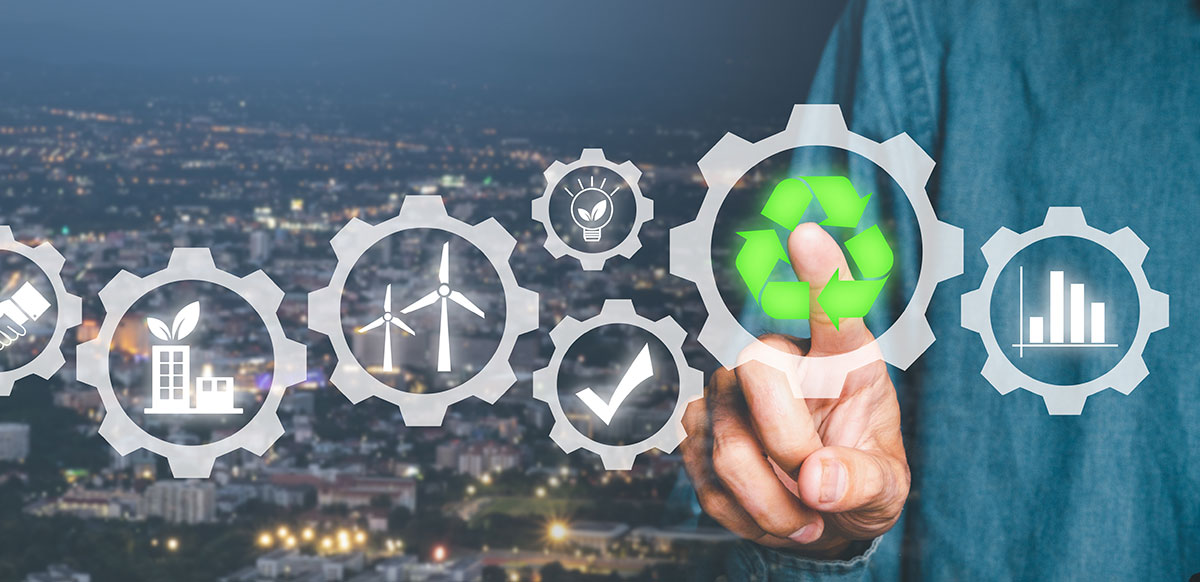
Conservation and innovation are no longer separate fields. Technology has become an essential part of protecting New England’s natural resources, from forests and rivers to wildlife habitats. By using tools like GIS, remote monitoring, and predictive analytics, we can make more informed decisions, engage communities, and reduce environmental impact.
As someone who has spent a lifetime enjoying and working to protect the outdoors, I believe that technology, when used thoughtfully, can help us safeguard these resources for the future. “We all have a role to play,” I say. “Whether it is using technology, participating in local conservation projects, or simply enjoying and respecting nature, our actions make a difference.”
By combining innovation, collaboration, and a personal commitment to stewardship, we can ensure that New England remains a vibrant, thriving region for both people and wildlife.